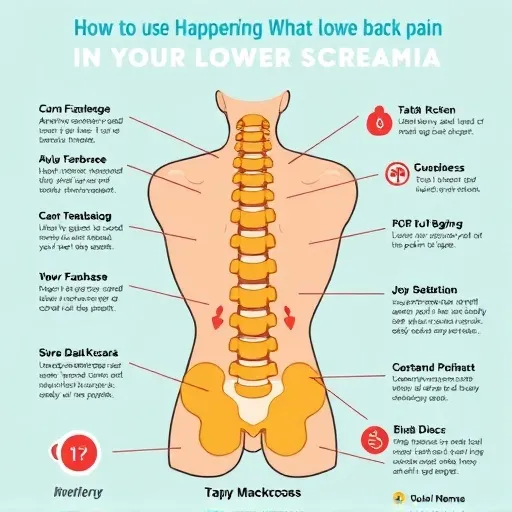
Understand lower bac
Understanding What's Happening in Your Lower Back
If you're trying to figure out how to relieve severe lower back pain, the smartest first step is actually understanding why your back is screaming at you in the first place. Your lumbar spine isn't just one thing—it's a whole team of vertebrae, spinal discs, muscles, ligaments, nerves, and joints all working together. When even one of those pieces gets irritated, inflamed, or injured, the result can be pain that stops you in your tracks. And honestly? That's why learning how to relieve severe lower back pain starts with knowing what you're actually dealing with.
Experts in musculoskeletal health and spine care point to a handful of usual suspects behind serious lower back pain. The most common ones include:
- Muscle strains or spasms: These often show up after sudden movements, heavy lifting, or hours of poor posture.
- Herniated discs or bulging discs: When the soft cushion between vertebrae pushes outward and presses on a nerve root, the pain can be brutal.
- Sciatica: That shooting pain radiating down your leg from nerve compression—classic sciatic nerve irritation.
- Degenerative changes: Years of wear and tear on spinal joints and disc degeneration that sneak up on you.
- Inflammatory conditions: Chronic issues that cause persistent back pain and stiffness.
Why does the root cause matter so much? Because it shapes which remedies will actually work for you. That said, a lot of strategies for how to relieve severe lower back pain overlap no matter what's triggering it.
Immediate Relief Techniques and Positioning Adjustments for Acute Pain
When you're in the middle of a pain flare-up, the very first move is to find a comfortable position. Plenty of people get relief lying on their back with a pillow under their knees, or on their side with a pillow between their knees. This simple trick reduces the load on your lumbar spine and helps ease muscle tension. It's one of the fastest ways to start figuring out how to relieve severe lower back pain without reaching for anything fancy.
One big warning: don't stay in bed for more than a day or two. Research keeps showing that prolonged inactivity makes back pain worse, not better. Gentle movement—even just walking around your house—keeps muscles from stiffening up.
Heat Therapy, Cold Therapy, and Pain Relief Options You Can Try Today
For acute injuries, cold therapy can help reduce inflammation during the first 48 hours. After that window, heat therapy—warm baths, heating pads, or heat wraps—can relax tight muscles and boost blood flow. A lot of folks alternate between the two and figure out which one their body prefers. When you're researching how to relieve severe lower back pain, this hot-and-cold combo is one of the simplest tools in your kit.
Over-the-counter NSAIDs can also help with short-term pain relief. But always check with a healthcare provider before starting any medication, especially if you've got underlying health conditions or take other prescriptions. A pharmacist or physician can steer you toward what's safe.
Gentle Stretching, Yoga Poses, and Movement for Pain Management
Once the sharpest pain fades, gentle stretches can make a real difference in your journey of how to relieve severe lower back pain. Some helpful options include:
- Knee-to-chest stretch: Lie on your back, slowly bring one knee toward your chest, and hold for 15–30 seconds.
- Pelvic tilts: Lie on your back with knees bent and gently rock your pelvis to flatten your lower back against the floor.
- Cat-cow stretch: On hands and knees, alternate between arching and rounding your spine.
- Child's pose: A restorative yoga pose that gently decompresses the spine.
If any stretch ramps up your pain, stop right away. Discomfort is fine; sharp pain is not.
Long-Term Strategies and Core Strengthening for Managing Chronic Pain
Severe lower back pain rarely goes away with a single fix. The most effective plan stacks multiple strategies over time. Here's what a solid approach to how to relieve severe lower back pain might look like in 2026.
Core Strengthening, Physical Therapy, and Exercise for Spinal Support
Your core muscles act like a natural corset for your spine. When they're weak, your lower back takes on way more strain. A seasoned physical therapist often recommends moves like bird-dog exercises, dead bugs, planks, and glute bridges. Start slow and build gradually—consistency matters way more than intensity when you're learning how to relieve severe lower back pain.
Posture Correction, Ergonomics, and Weight Management for Pain Prevention
Poor posture is a silent contributor to chronic back pain. Whether you're sitting at a desk, driving, or scrolling on your phone, your spinal alignment affects how much stress your lower back endures. Ergonomic adjustments—raising your monitor to eye level, using a lumbar support cushion, and taking frequent breaks—can stop pain from getting worse.
Excess body weight, especially around the abdomen, puts extra pressure on your lumbar spine. Even a modest reduction can significantly decrease pain levels. This isn't about crash diets—it's about sustainable lifestyle changes.
Stress Reduction, Meditation, and Deep Breathing for Tension Relief
Here's something a lot of people overlook: stress and back pain are deeply connected. When you're stressed, your muscles tense up, and chronic tension in the lower back can trigger or amplify pain. Practices like deep breathing, meditation, progressive muscle relaxation, and even regular walks in nature can help break that cycle. If you're serious about how to relieve severe lower back pain, don't skip the mind-body connection.
Professional Care, Alternative Therapies, and Daily Habits That Protect Your Back
While self-care can manage many cases of lower back pain, some situations need professional attention. Seek immediate medical care if you notice loss of bladder or bowel control, numbness in the groin or saddle area, progressive weakness in your legs, pain after a significant fall, unexplained weight loss, or fever with back pain.
For persistent pain that doesn't improve after a few weeks, consider consulting a physician, physical therapist, or pain specialist. Modern options in 2026 include targeted physical therapy programs, injection therapies, nerve blocks, and minimally invasive procedures.
Beyond conventional treatments, complementary approaches like acupuncture, massage therapy, yoga, tai chi, mindfulness-based stress reduction, and chiropractic care have gained traction for managing severe lower back pain.
Daily habits matter too. Lift smart by bending your knees and keeping the load close. Stay active with low-impact exercise like swimming, walking, or cycling. Sleep on a medium-firm mattress with a supportive pillow. Hydrate because spinal discs are largely made of water. Quit smoking since it reduces blood flow to spinal tissues. And break up long sitting sessions every 30 minutes.
Relieving severe lower back pain isn't about one magic solution—it's about layering strategies. Most cases improve with time and the right approach, so be patient with yourself. Start with the basics today: adjust your position, try some gentle movement, and reach out for professional support when you need it. That's how you finally get a handle on how to relieve severe lower back pain—one smart step at a time.